
Technology for a sustainable future
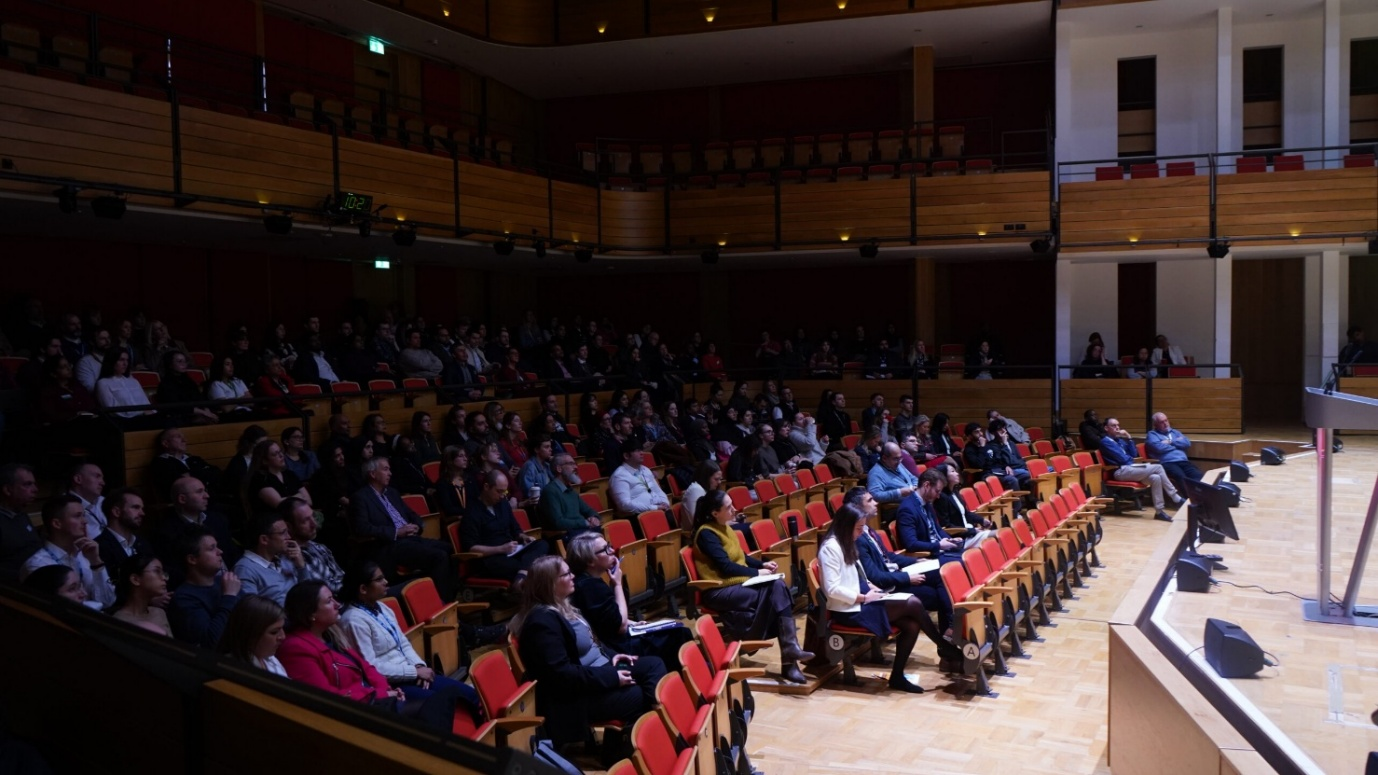
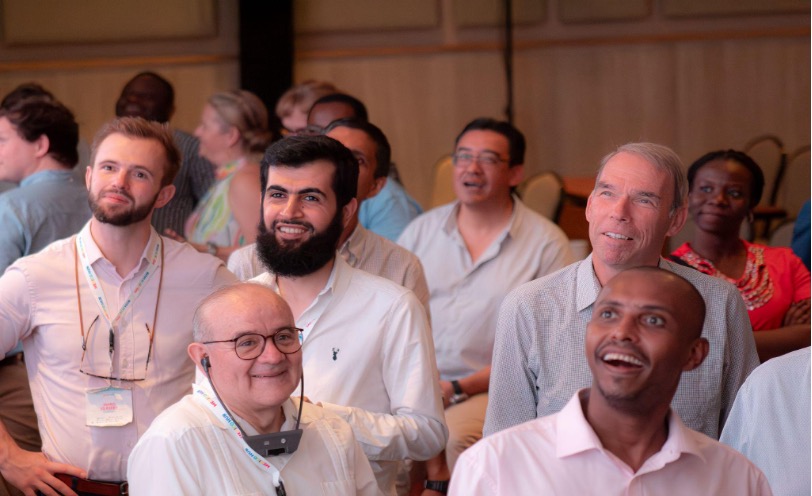
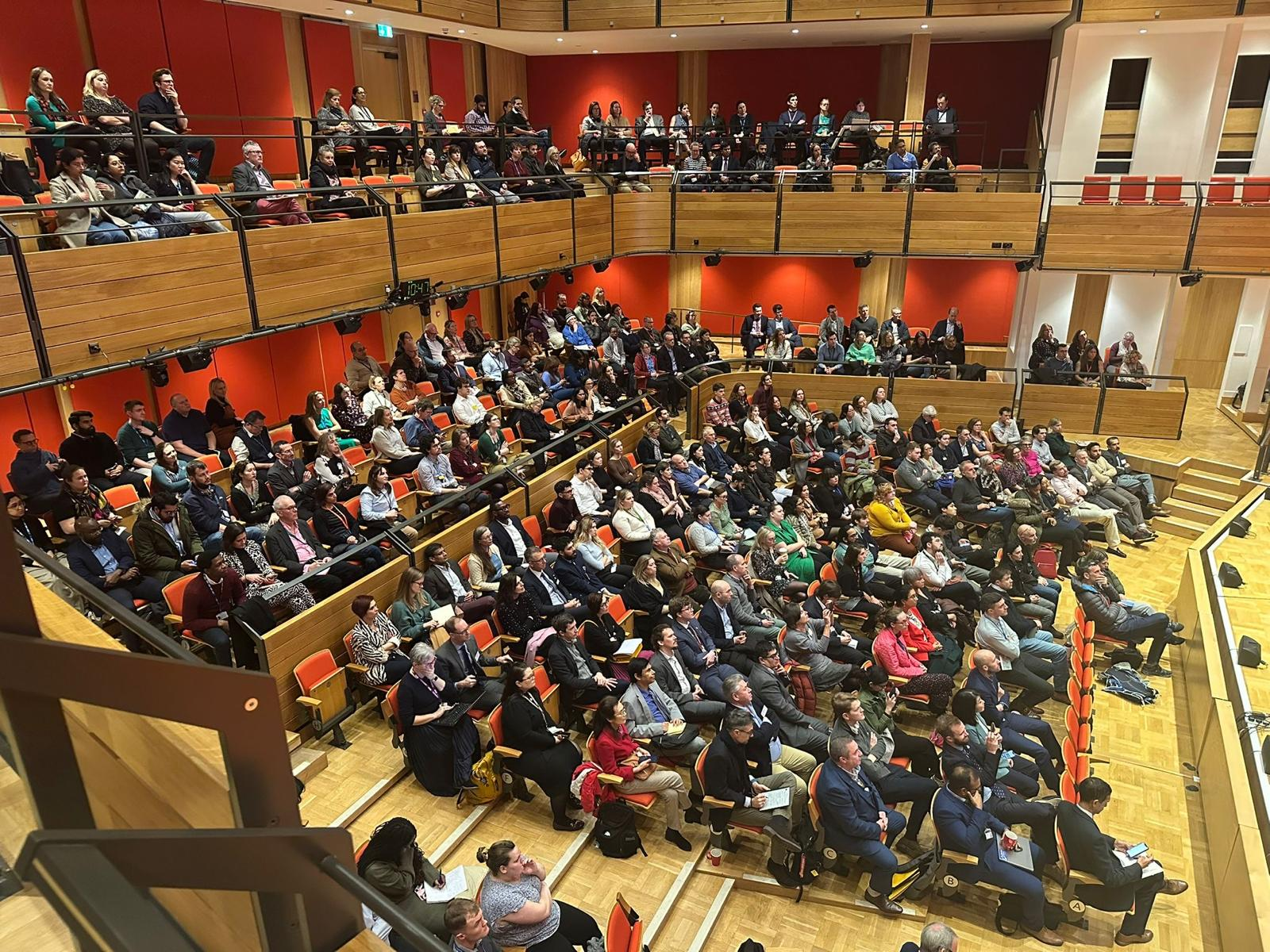
On the 17th December 2025, the University of Birmingham hosted the third Research for Greener Surgery conference. Building from the meetings in 2023 and 2024, the conference aimed to share UK and global learning on measuring and reducing carbon emissions of surgery, with deep dives into behaviour change, robotic surgery and artificial intelligence (AI). The event attracted over 200 in-person attendees from across the world alongside over 1,400 live-stream views. The consistent message throughout the day was of the ongoing importance of sustainability in healthcare and the pressing urgency of climate change.
Figure 1
Opening sessions
Hugh Montgomery (Lancet Countdown on health and climate change) opened with an alarming update on climate change, highlighting the catastrophic health and economic consequences of inaction. This was followed by talks from Natalia Kurek (Greener NHS) and Neil Hanley (pro-vice chancellor, University of Birmingham), outlining institutional and system-level steps to mitigate climate change. Following this introduction, the programme moved on to ongoing sustainability studies. The panel discussed the NOBLE trial (delivery of nitrous oxide to patients), DRAGON trial (reusable versus disposable drapes and gowns), waste in the NHS and a global Delphi of green anaesthetic practices. Together, these studies illustrated how sustainability can be embedded within clinical trials, procurement, and routine care. The session finished with a short video from Cortland Linder (clinical PhD fellow) on improving surgery in Nigeria through solar power.
Figure 2
Behaviour change
Following excellent feedback from 2024, Laura Kudrna (Implementation scientist) returned to lead two interactive sessions on sustainable behaviour change in the NHS. Alongside James Glasbey (academic clinical lecturer) and Virgina Ledda (surgical registrar) she presented practical frameworks for implementation, using case studies and audience participation to examine real-world barriers and facilitators. This was followed by Dmitri Nepogodiev (Associate Professor) and Elizabeth Li (academic clinical lecturer), presenting how to develop a carbon model for CLARITY, a randomised control trial on appendicitis. demonstrating how environmental outcomes can be integrated into trial methodology.
Future of surgery
After lunch, Aneel Bhangu (Professor of surgery) chaired a panel with Mark Slack (Chief Medical Officer of CMR Surgical) and Deena Harji (Professor of surgery) to explore how to balance the benefits of robotic surgery with the carbon impact. This wide-ranging discussion covered the life-cycle of the robotic system, reduced emissions through minimising complications and length of stay, and reusable technology, with audience participation and debate. James Glabey (academic clinical lecturer) subsequently led a session on AI and sustainability, joined by David Rawaf (VitVio), Tom Hardie (Health Foundation) and Joseph Alderman (NIHR Postdoctoral Researcher in AI and Digital Health). The panel addressed myths of large language models, presented a future with a digitally transformed NHS, and discussed using AI to optimise the operating room.
Figure 3
Future of sustainability
At the close of the day, Professor Aneel Bhangu challenged participants to take lessons from the conference back to their own hospitals, to make real change and harness new technologies for a greener future. He stressed how, despite waning political attention, climate change remains a real and urgent threat to the world. The conference demonstrated that solutions exist at every level of healthcare, from clinical practice, digital innovation and organisational leadership to both improve patient care and reduce carbon emissions.
.png)





.jpg)

