
BJS-2024-0158
Continuing surgical education
General
Guest blog
Conference report: NIHR Global Surgery Unit: Mexico 2024
Antonio Ramos De La Medina
NIHR Global Surgery Unit, Hospital Espanol de Veracruz, Veracruz, Mexico
Laura Martinez
NIHR Global Surgery Unit, Hospital Espanol de Veracruz, Veracruz, Mexico
15
11
2024
Purpose
The NIHR Global Surgery Unit (GSU) Annual Prioritisation Meeting marks a new year for the global surgery network. It provides a face-to-face interaction between members of the network and is an avenue to discuss and prioritise research relevant to patients. This year it was held in Cancun, Mexico, from 9th to 11th September, bringing together 167 participants from diverse countries, including Benin, Colombia, Gabon, Ghana, Guatemala, India, Nigeria, Rwanda, South Africa, the United States, England, and Scotland.
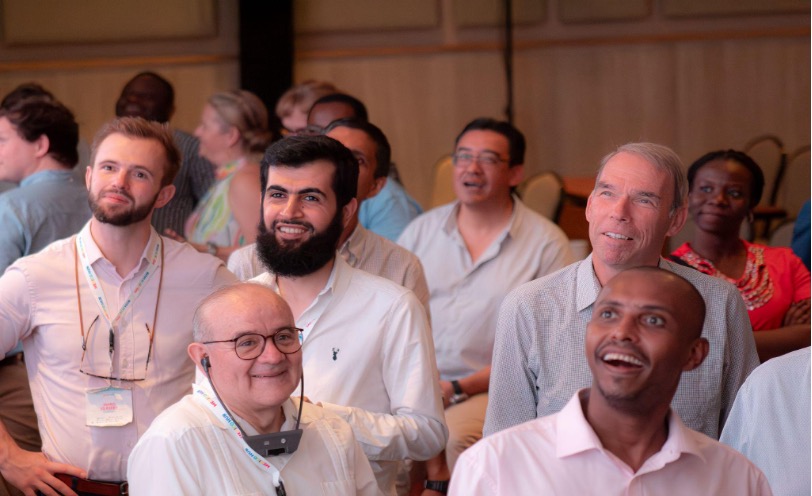
Figure 1
Attendees engaged in an ice-breaker activity.
Overview of previous achievements
The event began with a review of the GSU’s achievements over the last decade, including its contributions to global cohort studies, influential clinical trials, and practice-shaping guidelines. Highlights of the research portfolio included advancements in green surgery, surgical technology, access to surgery, peri-operative care, wound infection, and surgery during the COVID-19 pandemic. The network's Hub and Spoke model, which delivers high-quality, patient-level data research, has enabled these successes. Each hub’s specific achievements were shared in a video presentation.
Planned studies
As the unit looks ahead, discussions revolved around the future trials and cohort studies planned for the next few years. Cross-cutting themes such as capacity building, policy influence, and women in leadership were identified as key priorities.
Trials
Four major trials were presented:
DRAGON Trial: A non-inferiority cluster-randomized trial comparing disposable and reusable drapes and gowns in both high-income countries (HICs) and low- and middle-income countries (LMICs). This trial will be the first of its kind to evaluate the clinical, cost, and carbon impacts of these interventions.
TIGER Trial: This trial will examine the feasibility of task-sharing in uncomplicated inguinal hernia repairs between surgeons and medical practitioners. The trial will begin with a pilot in Ghana before expanding to other hubs.
MARLIN Trial: Focused on reducing surgical site infections (SSIs), this trial will test pre-, intra-, and post-operative interventions in abdominal surgeries. It will adopt a multi-arm platform design, enrolling patients undergoing clean-contaminated, contaminated, or dirty abdominal procedures.
PUMA Trial: A randomised, multi-factorial, adaptive platform trial designed to improve recovery after laparotomy. Multiple interventions, either alone or in combination, will be compared to standard care.
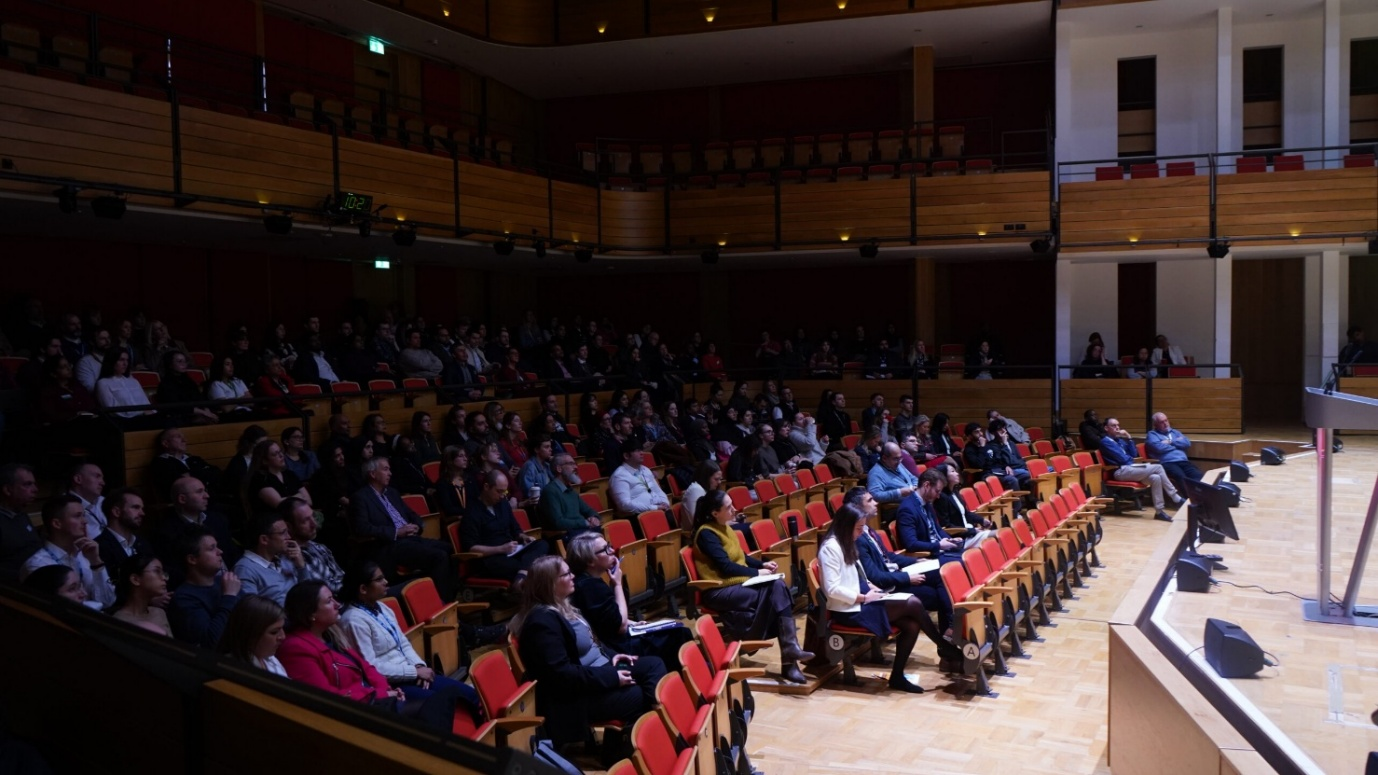
Figure 2
Audrey (Program Manager NIHR GSU) highlighting achievements of the NIHR GSU
Cohort studies
The large collaborative prospective cohort studies carried out by the unit lay firm foundations and provide background data for future clinical trials.
Two large prospective cohort studies were also discussed:
AlliGatOr Study: A prospective cohort study that will evaluate the emergency care pathway using appendicitis as a tracer condition. It aims to identify areas for system strengthening and includes substudies on waste management, health economics, and access to minimally invasive surgery.
SurgWeek: This will be one of the world’s largest surgical cohort studies and will capture data across all surgical specialties. The study will address cross-specialty research questions, focusing on issues like energy security, antimicrobial resistance, and access to technology.
Technology
We had an overview of the Wellcome LEAP SAVE(Surgery: Assess / Validate / Expand) program. The program aims to address two specific barriers of optimal surgical care: lack of surgically care providers and post-operative complications. Its main goals are to develop capability of training non-MD surgeons to deliver laparoscopic surgical care with comparable outcomes to MD surgeons, to shorten the time required for surgical training through simulation tools that accelerate skills with objective assessment of competence, and lastly to decrease postoperative complications and mortality by at least 50% through advanced improved physiological monitoring and early identification of patients at risk. The team delved into two main domains of accelerating skills acquisition and objective assessment of surgical performance both during simulation and in the operating theatre.
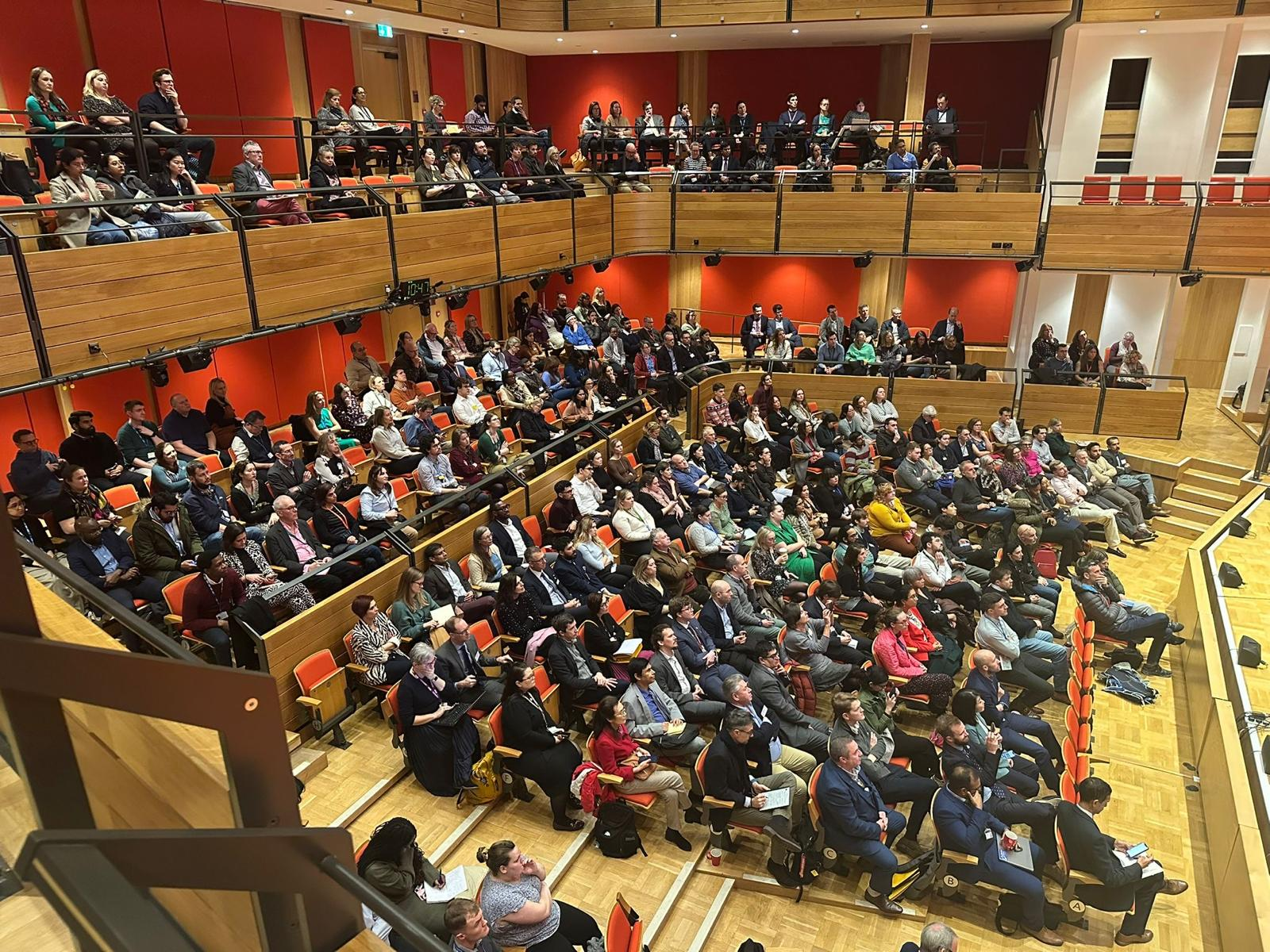
Figure 3
Group picture of conference participants.
Policy influence and engagement
Engaging policy makers is crucial to ensure the adoption and scaling of research findings. Representatives from the Mexican Association of General Surgery (AMCG), the Mexican Association of Endoscopic Surgery (AMCE), the Latin American Federation of Surgery (FELAC), Mexican Hepato Pancreato Biliary Association (AMHPB) and the Latin American Federation of Surgery (FELAC) participated in discussions about how to influence local, national, and international policies. One of the key strategies discussed was moving stakeholders—such as the World Health Organization (WHO)—from awareness and interest to action. Calls were made for increasing the representation of LMIC providers in health policy development to improve equity in global surgery.
Women in leadership
The role of women in surgical research leadership was another central topic. A group of 26 women with clinical academic roles discussed the role of women in surgical research leadership positions. The findings from a questionnaire previously circulated within the wider team were discussed and future themes were prioritised.
Key points from these discussions included:
Societal expectations place greater pressure on women, especially in leadership roles.
Funding structures should account for life events such as pregnancy to ensure that opportunities are equitable.
Male peers should be actively involved in the development of initiatives, fostering sustainable working relationships and avoiding tokenistic approaches.
Capacity building
Capacity building has long been an integral part of the GSU’s strategy. The annual prioritisation meeting provided a unique opportunity to offer face-to-face training and support for individual projects. Training sessions were conducted in a drop-in format, allowing participants to seek advice and insights into their specific research interests. These sessions included Implementation science and behavioural change, Statistics and Health economics.
Conclusion
The 2024 NIHR Global Surgery Unit’s annual meeting provided an important platform for reflection, planning, and collaboration. The network’s achievements over the last decade demonstrate the value of its Hub and Spoke model, while plans for future trials, cohort studies, and initiatives promise to make significant impacts on global surgery, particularly in low- and middle-income countries. With continued focus on technology, capacity building, policy engagement, and equity in leadership, the GSU is well-positioned to meet the surgical challenges of the next decade.
For further information, please visit https://www.globalsurgeryunit.org/ or contact us at enquiry@globalsurg.org.
Funding: The work presented is funded by a National Institute for Health and Care Research (NIHR) Global Health Research Unit Grant (NIHR 133364) and an advanced clinician scientist award from the NIHR Academy. The views expressed are those of the authors and not necessarily those of the NIHR or the UK Department of Health and Social Care.
Acknowledgements: Many thanks to the Mexico Hub team for the organisation of the main event in Cancun and the side events in Veracruz.

.png)





.jpg)

