
BJS-2025-0409
Surgery for all
Vascular
Video
Improving the pre-operative psychological preparation of amputation patients
Dr Esmée Hanna
Associate Professor, De Montfort University, Leicester UK
05062025
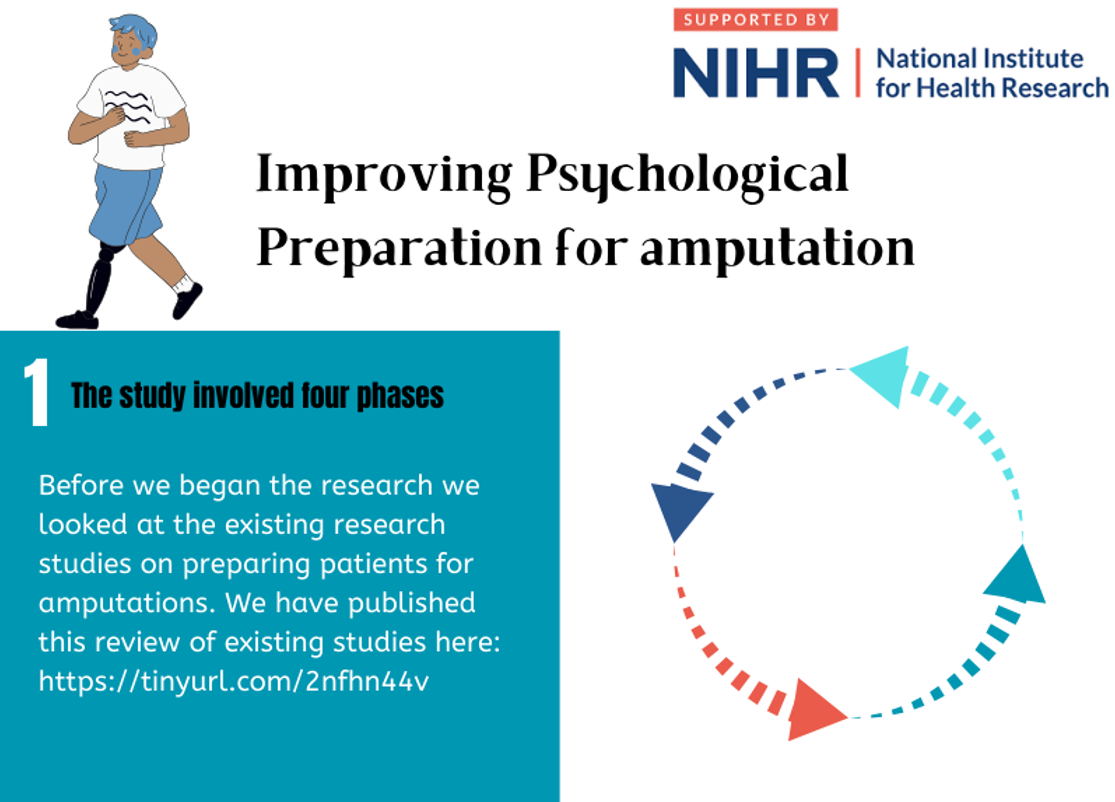
Undergoing an amputation can be a life altering procedure for many patients. Despite this, we know relatively little about how best to support these patients to help ensure their psychologically prepared for what is to come. The pre-operative period is often compressed, with the need for surgery to be conducted urgently This presents a challenge for clinical staff in how best to help patients with preparing for what is to come. Our team at De Montfort University recently completed a four-year study to explore the psychological preparation of amputation patients. The study- ‘PreAmp’- aimed to understand more about how preparation work is currently conducted, to explore the barriers and facilitators to psychological preparation of patients, and then to work with patients and clinical staff to co-design resources to help support preparation. We conducted an extensive range of research activities, including a survey of healthcare staff, interviews with existing amputees, ethnographic observations of preparation work in vascular wards as well as interviews with healthcare professionals and patients in those wards.
We found that both patients and healthcare professionals feel that preparation is very important, but at present this often does not happen in the ways that both patients and staff would like it to. Good psychological preparation for amputation requires the provision of clear information, staff need to include patients in conversations about their care and patients need time and space to work through any questions they have. Preparation is very much a multidisciplinary activity and teams working together- with the patient as a central part of the team- is a key way of ensuring effective preparation. There is a need to include people who work outside of hospitals, such as social workers/ social care services in preparing patients, though often that does not happen and delays in discharge are often as a result of this. Vascular wards are very busy, with staff under significant pressures, and as a result there is often not a lot of time to spend on the preparation of patients. Vascular services cannot routinely access psychological services for their patients, yet this is a major need for patients who experience anxiety and distress as a result of the need for amputation. Often it is allied health professionals who have to attempt to counsel patients despite it not being their area of expertise. Patients would also like to be able to talk to existing amputees as part of their preparation, those with lived experience of amputation are seen as helpful to people about to have an amputation. From this research we then created resources to help with preparation for having amputations. We co-designed these resources with amputees and healthcare professionals to make sure they were fit for purpose. The resources we developed are:
1. A Frequently Asked Questions document to answer common questions patients have about amputation.
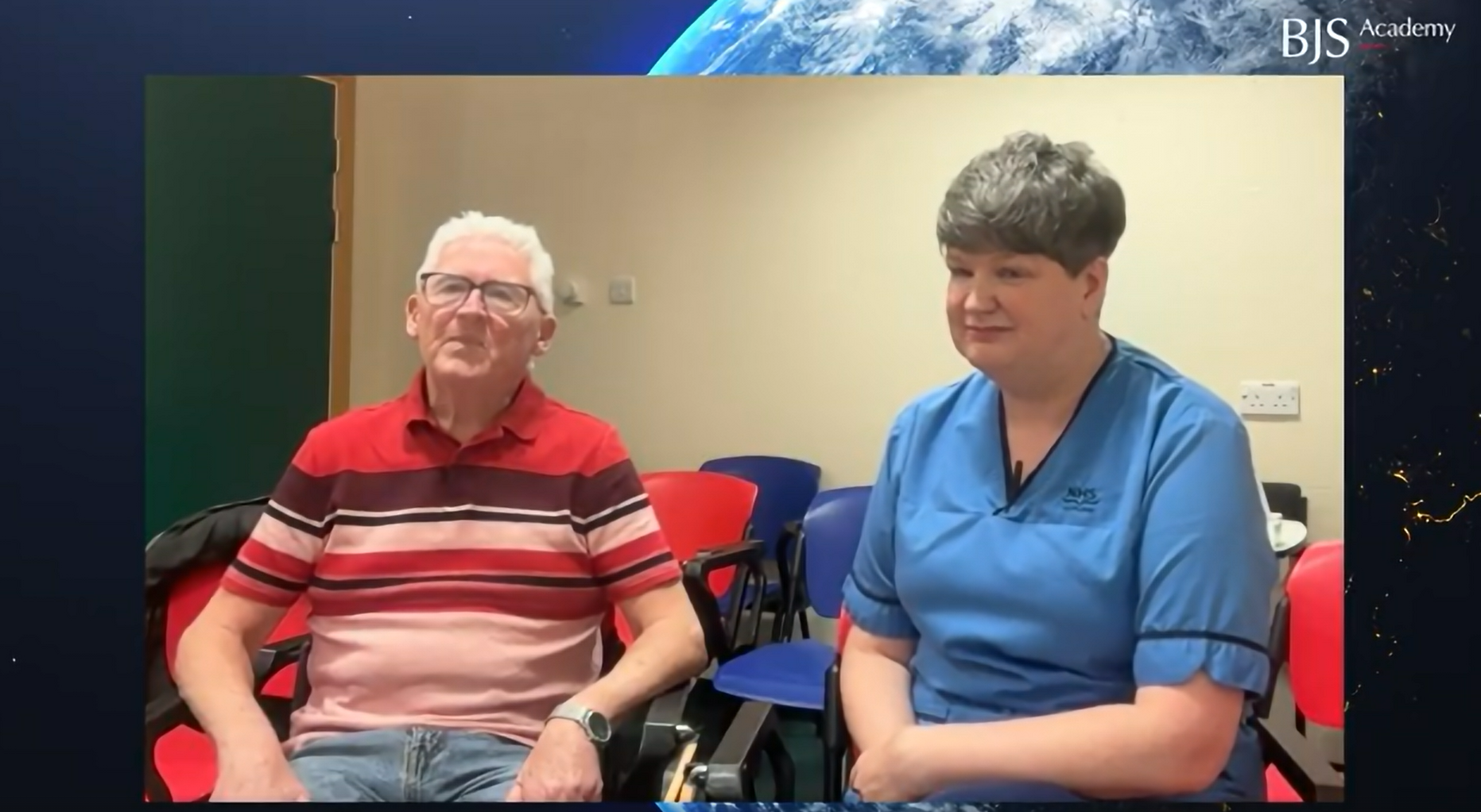
2.Videos telling the stories of people who had recently had an amputation to provide peer insights to patients about the experience of amputation.
3. An advice sheet for patients and staff on how to connect with other amputees for peer support through linking up with the Volunteer Visitors scheme run by the Limbless Association.
4. A preparation conversation checklist for staff to help them ensure they are covering all the core aspects relevant for patients about having an amputation, as well as a guidance document to help support those conversations.
We tested these resources in a vascular ward and received positive feedback from both patients and staff. Ensuring there is buy in from teams is important to make sure the resources are used with all amputation patients, and each team will have different ways of generating such buy in. The resources are freely available on our project website and can be accessed by patients and staff online, and the written documents can be printed to use as hard copies. We hope that the resources begin to provide some much-needed support for preparing patients. There is still more we need to do to improve support for those undergoing amputations but this is the beginning of that journey.


.png)





.jpg)

