
In a recently published editorial in BJS1, Pournaras et al. discuss the recent transformative shift in obesity care from surgical to multimodal therapy and the resulting need to study this with clinical trials. Obesity is a chronic and stigmatized disease with serious health consequences and numerous associated comorbidities. Bariatric surgery is the most effective and durable intervention with the most long-term evidence. However, much like managing other chronic conditions, the latest pharmacological and endoscopic options have opened the door for multimodal strategies and better personalized treatment options.
At the forefront: bariatric surgery
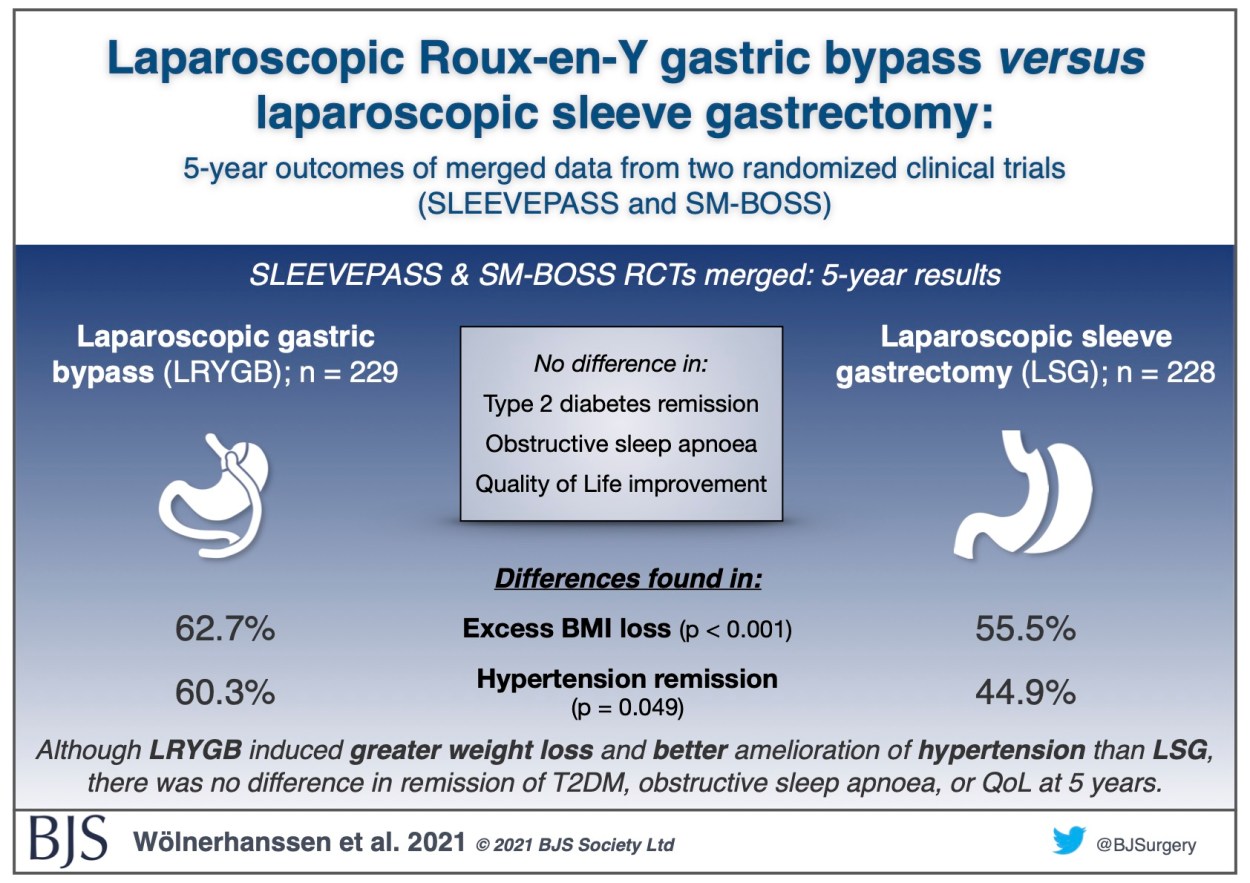
Bariatric surgery is regarded as the gold standard for morbid obesity treatment. It has proven to be effective in achieving substantial and sustained weight loss and significantly improving most obesity-related comorbidities, including reducing cancer incidence. However, while surgery is efficient and has long-term data proving its many benefits, insufficient weight loss and weight recidivism are possible with any operation. As the authors state, surgery is not the only answer, and additional adjunctive approaches are needed, especially those like medications that may be seen as approachable and reversible.
The rise of anti-obesity medications
The shift in obesity management is happening now. Anti-obesity medications, such as GLP-1 receptor agonists, were primarily used to manage patients with diabetes but have now proven effective in managing obesity. The popularity of these medications helped give obesity the attention it desperately needed. While the use and popularity of anti-obesity medication grows, we must be mindful of the need for long-term data on safety, efficacy, and cost-effectiveness.
Surgery and medications as collaborators
Obesity is a very complex chronic disease with several pathophysiologic pathways and sociocultural influences, which affect its robust prevalence and continuously rising incidence. Various effective surgical options exist, but none can be considered the universal solution. In the same way, pharmacotherapy will continue to be more efficient but will never be a universal solution that applies to all patients.
Managing obesity should be no different than managing other chronic and relapsing diseases.
There has been a recent push to manage obesity in a similar multimodal approach as is being used in the field of oncology, and the authors reinforce this point. Patients with cancer may need multimodal therapy, often with chemotherapy, radiation and surgery. Patients with obesity should also be considered for multimodal therapies, including bariatric surgery, endoscopy, and pharmacotherapy. To maximize long-term outcomes, these patients may be considered for “neo-adjuvant” or “adjuvant” therapies.
We are at the very beginning of this new shift in thinking. The authors highlight the need for randomized clinical trials to fill this gap. However, this shift offers exciting opportunities and challenges to collaborate on identifying the right combination strategies for the right patient population.
The ultimate goal of obesity treatment: defining success
The goal in oncology is clear: to cure or prolong disease-free survival. However, in obesity management, we still question what constitutes success. Should it be a specific percentage of weight loss? Should it be a reversal of obesity-associated comorbidities? Should it be a BMI or anthropometric measure in the “normal” or “low risk” range? The authors ask these questions, which highlights the need to define patient-centered goals clearly.
The path forward
Without clear answers on what constitutes success in multimodal obesity care, international expert consensus provides temporary guidance. Unfortunately, these guidelines are lacking in clinical trials that establish the benefits of multimodal strategies. Designing relevant long-term studies amid rapid advancements is not easy but is undoubtedly essential.
By embracing innovation, addressing research gaps, and fostering collaboration between surgery, endoscopic therapy, and pharmacotherapy, we can revolutionize how we treat this chronic condition, which continues to affect millions of people.
References:
Pournaras DJ, Lingvay I, Sumithran P. Better together: anti-obesity medications and bariatric surgery for the management of obesity. BJS; 111: doi: https://doi.org/10.1093/bjs/znae294



.png)





.jpg)

