
BJS-2025-0414
https://doi.org/10.58974/bjss/azbc097
Continuing surgical education
General
Digests
OSRC: developing novel tools for medical research
Alaa El-Hussuna (M.B.Ch.B, M.Sc.,Ph.D.)
Associate professor of surgery; Founder & chairperson of OpenSourceResearch organisation; Chairperson European Society of Colo-Prctology’s cohort studies committee; Chairperson of surgical steering committee in European Crohn Colitis Organisation
17062025
Background
The Open Source Research Collaboration (OSRC) is an international organization dedicated to advancing healthcare innovation through the integration of information technologies. Comprising a multidisciplinary team of clinicians, scientists, IT engineers, computer scientists, and students from these fields, OSRC focuses on developing and disseminating novel tools for medical research.
Mission
OSRC's mission is to promote innovation in healthcare by implementing information technologies. The organization emphasizes the use of publicly available information, such as databases, the internet, and social media, to conduct open-source research. Recognizing the limitations of traditional research methods in addressing current healthcare challenges, OSRC aims to explore and develop new tools for medical research through the application of information technologies.
Research Initiatives
OSRC is actively involved in building multidisciplinary research teams to explore the application of information technologies and artificial intelligence in medical research. The organization offers research opportunities for medical students and encourages participation from individuals interested in developing their research skills. Key research areas include:
Computer Vision in Surgery: Investigating the use of computer vision technologies to enhance surgical procedures and outcomes.
Human Anatomy Project: Creating detailed anatomical models to aid in education and surgical planning.
AI in Radiology: Applying artificial intelligence to interpret radiological data, aiming for more accurate diagnoses.
Synthetic Data: Creating synthetic datasets to facilitate research while preserving patient confidentiality.
Prediction and Simulation Models: Developing predictive models and simulations to improve decision-making in clinical settings.
Figure 1. OSRC published a series of talks on AIS channel titled "roadmap to innovation in surgery". These are available free of charge on the AIS channel.
Big Data: Utilizing large datasets to identify patterns and insights that can inform healthcare practices.
Search Engine Development: Developing specialized search engines to assist researchers in accessing relevant medical information efficiently.
Crowd Science: Leveraging collective intelligence through collaborative research projects.
Bioinformatics Research: Integrating biological data with computational methods to advance understanding in fields like genomics and proteomics.
Publications
OSRC maintains a repository of publications that showcase the outcomes of its research endeavours. These publications serve as valuable resources for the medical community, reflecting the organization's commitment to disseminating knowledge and fostering collaboration among researchers worldwide.
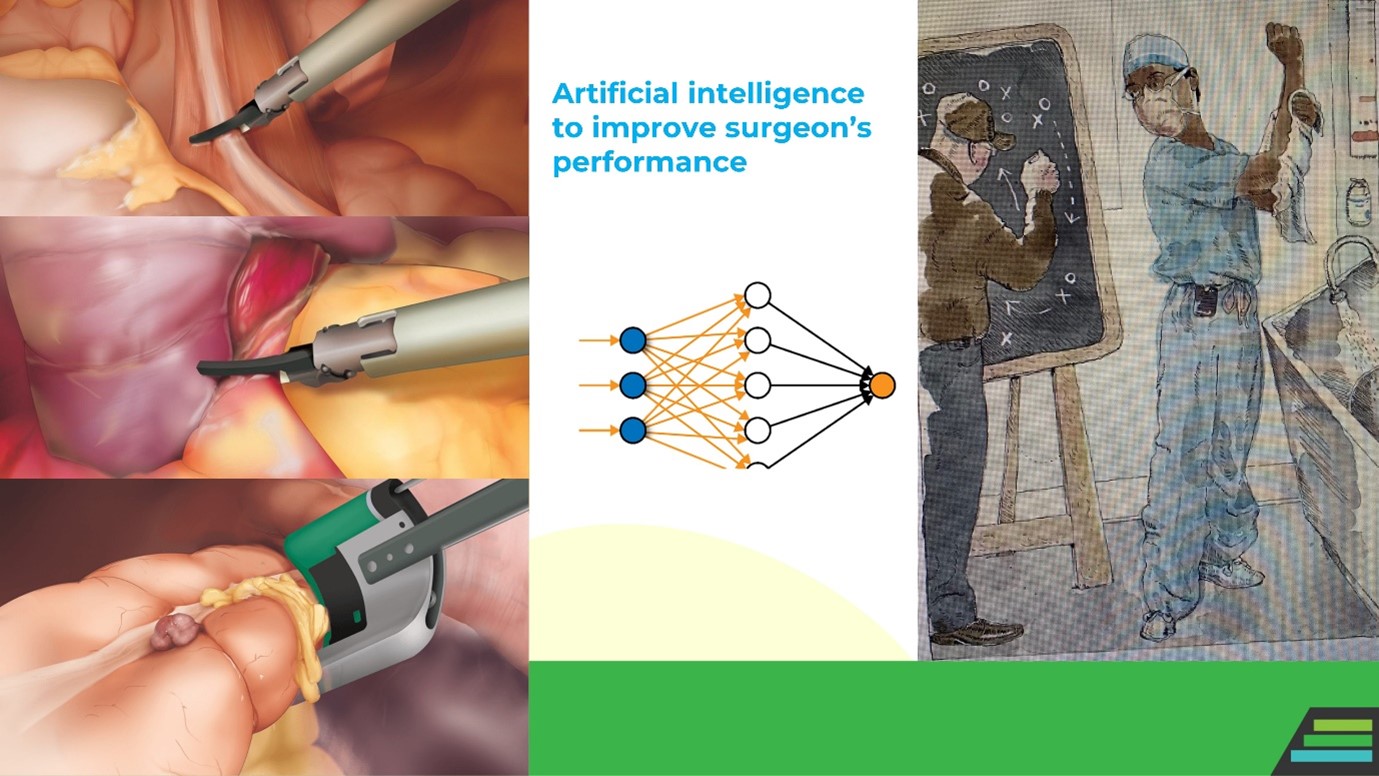
Figure 2. Computer vision can be used to extract automated performance metrics (APMs). These metrics can be used in training the junior surgeons and improve the performance of senior surgeons.
Educational Activities and Workshops
OSRC is committed to reducing the knowledge gap between developed and developing countries through various educational initiatives. The organization functions as an open university, offering courses, workshops, and boot camps designed to build research skills and resources. Examples of workshops organised by OSRC:
AI in colorectal surgery- UAE 2025: In collaboration with the Emirates Society of Colon and Rectal Surgery (ESCRS), a session dedicated to artificial intelligence to tackle challenges in colorectal surgery will be held in Dubai with participation of computer scientists from OSRC.
Peak Performance in Surgery - South Africa 2024: Focused on enhancing surgical performance through the application of cutting-edge technologies and methodologies.
Peak Performance in Surgery - Vilnius 2023: In collaboration with ESCP (European Society of Colo-Proctology), a session dedicated to artificial intelligence to tackle challenges in surgical research was held with computer scientists and surgeons. Each surgical challenge presented by surgeon and then a suggested AI-driven solution suggested by computer scientist.
AI in Surgery & Surgical Research - India 2022: Explored the role of artificial intelligence in advancing surgical techniques and research.
Research Skills - Iraq 2022: Provided training on utilizing open-source for developing robust research skills.
Basic Research Skills - Turkey 2021: Introduced foundational research methodologies to participants, laying the groundwork for future scientific inquiries.
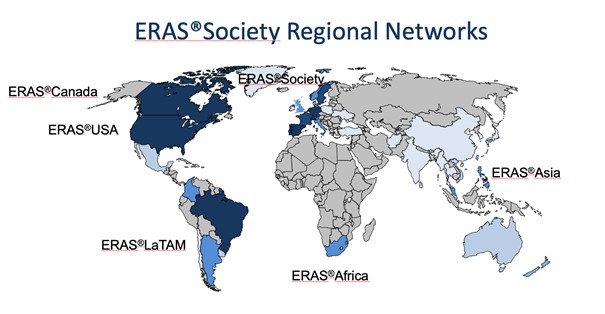
Figure 3. OSRC has organized many workshops all over the world to promote the use of information technology in medical research. The aim is to encourage LMIC researchers to explore open-source tools to leapfrog in their research.
For more details on OSRC research projects, and opportunities for collaboration, visit OSRC’s website. Engaging with OSRC’s work offers a unique opportunity to be at the forefront of technological innovation in medical research

.png)





.jpg)

