
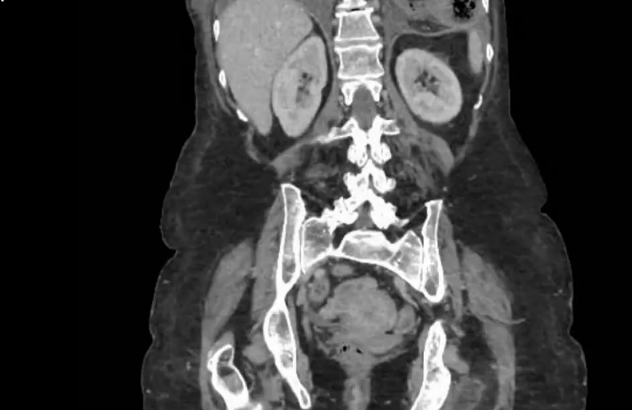
A Diaphragmatic hernia following an oesophagectomy is a recognised but uncommon post-operative complication. Surgical repair can be challenging due to the distorted anatomy and prior reconstruction. This video demonstrates a safe and reproducible laparoscopic approach to the repair, incorporating a colonopexy to prevent recurrence.
This patient presented with a symptomatic left diaphragmatic hernia 3 months post-oesophagectomy with gastric conduit reconstruction. Laparoscopic reduction of the herniated colon and greater omentum was performed. The diaphragmatic defect was fixed with two non-absorbable sutures before placing a biological absorbable mesh over the repaired area to reinforce this closure. A colonopexy was then created to further minimise the recurrence risk.
The accompanying video provides practical guidance on technique and decision-making for surgeons managing similar cases.
.png)





.jpg)

